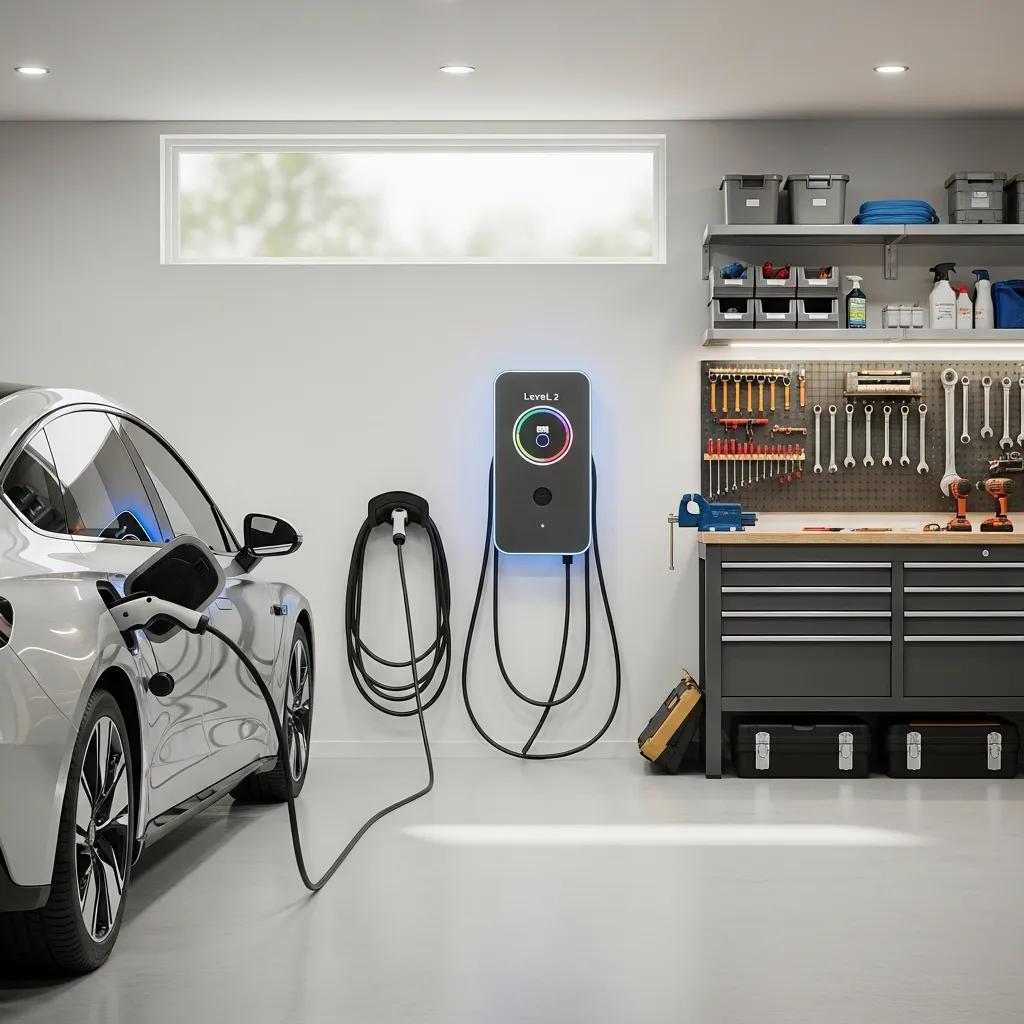
Ultimate Guide to Installing a Level 2 EV Charger at Home
Complete Guide to Home EV Charger Installation: What Every Homeowner Should Know

As electric vehicles (EVs) become increasingly popular, homeowners are considering the installation of home EV chargers to enhance convenience and efficiency. This comprehensive guide will provide essential information on the installation of Level 2 EV chargers, including their benefits, electrical requirements, costs, and necessary permits. Homeowners often face challenges in understanding the technical aspects and regulations surrounding EV charger installation. By addressing these concerns, this guide aims to empower homeowners with the knowledge needed to make informed decisions. We will explore the advantages of Level 2 chargers, the electrical requirements for installation, the costs involved, and the permits and regulations specific to California.
What Are the Benefits of Installing a Level 2 EV Charger at Home?

Installing a Level 2 EV charger at home offers several significant advantages that enhance the overall electric vehicle ownership experience.
Faster Charging Times: Level 2 chargers can deliver up to 240 volts, allowing for quicker charging compared to Level 1 chargers, which typically provide only 120 volts. This means that most EVs can be fully charged in 4 to 8 hours, making it convenient for daily use.
Convenience of Home Charging: Having a charger at home eliminates the need to visit public charging stations, saving time and providing peace of mind. Homeowners can charge their vehicles overnight, ensuring they start each day with a full battery.
Increased Property Value: Installing a Level 2 charger can enhance the value of a home, making it more attractive to potential buyers who own electric vehicles. This feature can be a significant selling point in the growing market for EVs.
Israel Electric specializes in providing electric vehicle charging solutions, ensuring that homeowners can enjoy these benefits with professional installation services.
How Does a Level 2 EV Charger Improve Charging Speed and Efficiency?
Level 2 EV chargers significantly improve charging speed and efficiency by utilizing a higher voltage and amperage. Unlike Level 1 chargers, which can take up to 20 hours or more to fully charge an EV, Level 2 chargers can reduce this time to as little as 4-8 hours, depending on the vehicle's battery capacity and the charger's power output. This efficiency is particularly beneficial for households with multiple EVs or for those who frequently use their vehicles for long commutes. The ability to charge quickly and efficiently allows homeowners to maximize their vehicle's usability without the inconvenience of long wait times.
Beyond just speed, Level 2 charging also offers significant energy savings over the lifetime of an electric vehicle.
Level 2 EV Home Charging Efficiency & Savings
gain would result in 590 kW-h saved ($800+ at average residential electric rates) over the lifetime of the vehicle if all charging occurs at home. The energy savings potential of
Assessment of level 1 and level 2 electric vehicle charging efficiency, 2014
What Makes Level 2 Chargers the Best Choice for Home EV Charging?
Level 2 chargers are often considered the best choice for home EV charging due to their compatibility with a wide range of electric vehicles and their cost-effectiveness. They can support various EV models, making them a versatile option for families with multiple vehicles. Additionally, the installation of a Level 2 charger can be a one-time investment that pays off in the long run through reduced charging times and increased convenience. Homeowners can also take advantage of potential rebates and incentives for installing energy-efficient charging solutions.
What Are the Electrical Requirements and Panel Upgrades Needed for EV Charger Installation?
Before installing a Level 2 EV charger, homeowners must understand the electrical requirements and potential panel upgrades necessary for safe and efficient operation.
Panel Evaluation Necessity: An electrical panel evaluation is crucial to determine if the existing panel can handle the additional load from the EV charger. If the panel is outdated or lacks sufficient capacity, an upgrade may be necessary.
Wiring Requirements: Proper wiring is essential for the safe operation of an EV charger. This includes using the correct gauge of wire and ensuring that the installation meets local electrical codes.
Professional Installation Importance: Engaging a licensed electrician for the installation is vital to ensure compliance with safety standards and regulations. Professional installation minimizes the risk of electrical hazards and ensures that the charger operates efficiently.
Israel Electric offers expert services for electrical panel upgrades and EV charger installations, ensuring that homeowners can safely enjoy the benefits of home charging.
When Is an Electrical Panel Upgrade Necessary for EV Charging?
An electrical panel upgrade is necessary when the existing panel cannot support the additional load required by a Level 2 EV charger. Signs that an upgrade may be needed include frequent tripping of circuit breakers, an outdated panel, or insufficient amperage to accommodate the charger. Homeowners should consult with a licensed electrician to assess their current panel and determine if an upgrade is required.
Research highlights the critical need for residential electric panel upgrades to support the growing adoption of electric vehicles and other home electrification efforts.
Residential Electric Panel Upgrades for EV Charging
This chapter details the results of an analysis conducted by the California Center for Sustainable Communities at UCLA into the anticipated need for future electric service panel upgrades within the residential building sector to support future decarbonization targets introduced in the LA100 plan. All of the different transformation pathways explored in the original LA100 feasibility study assumed significant increases in the future adoption of electric vehicles as well as electrification of existing gas-powered end-uses. However, both of these technology transformations will potentially result in significant increases in the demand for electrical energy and power. One significant barrier to increasing the service capacity for LADWP customers in order to facilitate this transition is the rated capacity of their electrical service panels. These are pieces of customer owned hardware that function as the interface between the utility distribution network and the building’s internal energy
Service Panel Upgrade Needs for Future Residential Electrification, ED Fournier, 2023
How Does House Rewiring Ensure Safety During EV Charger Installation?
House rewiring is an essential step in ensuring safety during EV charger installation. Proper rewiring can reduce the risk of electrical fires and ensure that the system complies with local codes. It is crucial to replace any outdated or damaged wiring that may pose a safety hazard. Additionally, rewiring can improve the overall efficiency of the electrical system, allowing for better performance of the EV charger and other household appliances.
How Much Does Home EV Charger Installation Cost and What Incentives Are Available?

The cost of installing a home EV charger can vary based on several factors, including the type of charger, installation complexity, and local labor rates.
Cost Breakdown Factors: Key factors influencing the cost include the price of the charger itself, which can range from $400 to $1,200, and installation costs, which may add another $300 to $1,200 depending on the electrical work required.
Available Rebates and Incentives: Homeowners may qualify for various state and federal incentives that can significantly reduce installation expenses. Programs in California, for example, offer rebates for installing EV chargers, making it more affordable for homeowners to invest in this technology.
What Factors Influence the Cost of EV Charger Installation?
Several factors can influence the overall cost of EV charger installation, including:
Charger Type: The choice between a basic Level 2 charger and a more advanced model with smart features can affect the price.
Installation Complexity: If significant electrical work is required, such as panel upgrades or extensive rewiring, costs will increase.
Location: Installation costs can vary based on geographic location and local labor rates, with urban areas typically having higher costs.
Which California Incentives and Rebates Can Reduce Installation Expenses?
California offers several incentives and rebates to encourage the installation of EV chargers, including:
State Rebate Programs: Programs like the California Electric Vehicle Infrastructure Project (CALeVIP) provide financial incentives for homeowners who install EV chargers.
Federal Tax Credits: Homeowners may also qualify for the federal Alternative Fuel Vehicle Refueling Property Credit, which offers a tax credit of up to 30% of the cost of EV charging equipment and installation, capped at $1,000 for residential installations.
Utility Company Rebates: Many utility companies in California offer rebates for EV charger installations, making it more affordable for homeowners to switch to electric vehicles.
What Are the Permits and Regulations for Installing a Home EV Charger in California?
Understanding the permits and regulations for installing a home EV charger is crucial for compliance and safety.
Permit Requirements: Homeowners typically need to obtain a permit from their local building department before installation. This ensures that the installation meets safety and code requirements.
Local Regulations Overview: Regulations can vary by city or county, so it is essential to check local guidelines regarding EV charger installations. Some areas may have specific requirements for the type of charger or installation methods.
Which Permits Are Required for Residential EV Charger Installation?
The permits required for residential EV charger installation generally include:
Electrical Permit: This permit is necessary for any electrical work performed during the installation.
Building Permit: Depending on local regulations, a building permit may also be required to ensure compliance with safety standards.
Inspection Approval: After installation, an inspection may be necessary to verify that the work meets local codes and regulations.
How Do Local Regulations Affect EV Charger Installation in Target Service Areas?
Local regulations can significantly impact the installation process for EV chargers. Variations in local laws may dictate the types of chargers allowed, installation methods, and safety standards. Homeowners should familiarize themselves with these regulations to ensure a smooth installation process. Consulting with a licensed electrician or local building department can provide clarity on specific requirements in their area.
