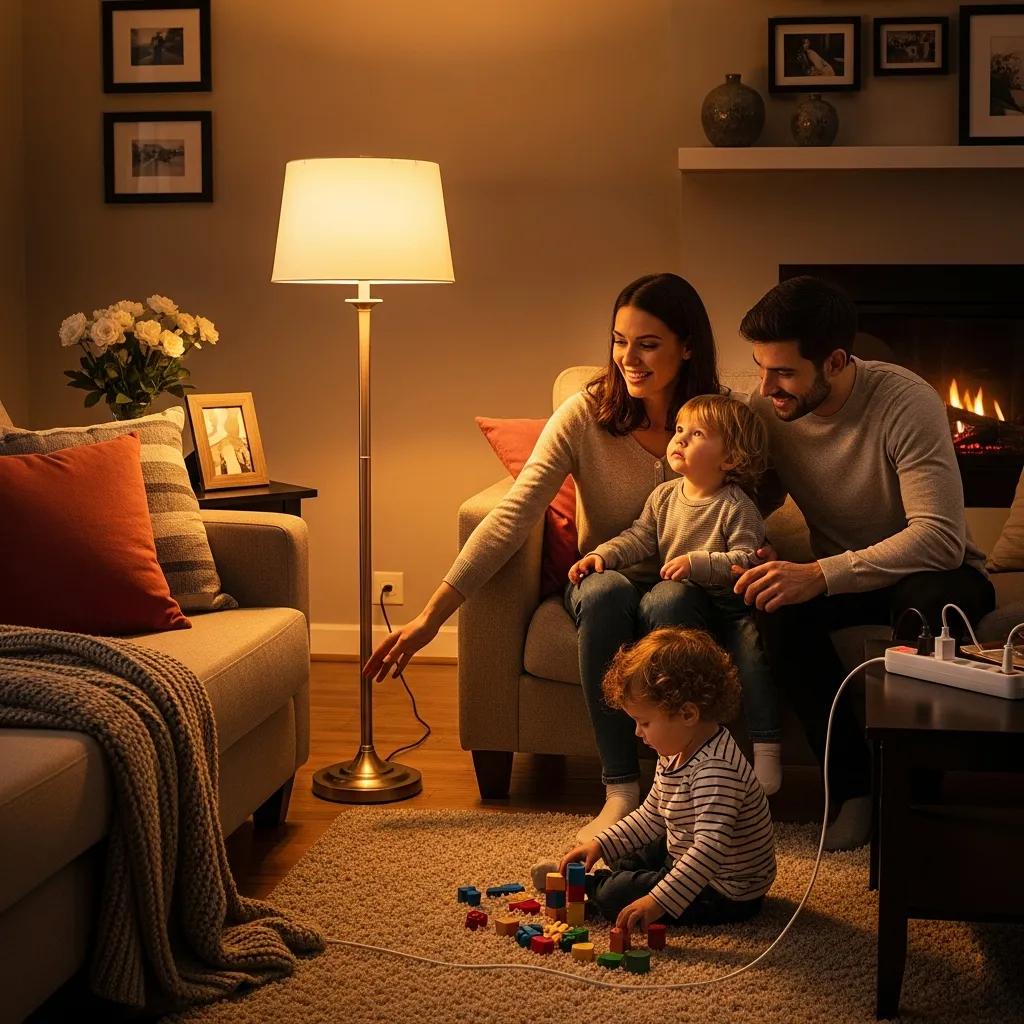
Recognize the Warning Signs: When to Rewire a House
Warning Signs Your Home Needs Rewiring: A Homeowner's Safety Guide

As a homeowner, ensuring the safety and functionality of your electrical system is paramount. Electrical issues can lead to serious hazards, including fires and electrocution. This guide will help you identify the warning signs that indicate your home may need rewiring. You will learn about common symptoms of faulty wiring, the importance of electrical panel upgrades, and how to budget for necessary electrical work. By understanding these critical aspects, you can take proactive steps to maintain a safe living environment.
Understanding the various electrical hazards and implementing safety practices is crucial for protecting your home and family.
Residential Electrical Hazards & Safety Practices
to enhance safety and mitigate the risks. The data were of electrical hazards and safety practices within residential settings. By focusing on often overlooked aspects of electrical safety,
Invisible threats: An investigation of electrical hazards and safety practices among residential electricity consumers, F Kulor, 2024
What Are the Common Warning Signs You Need Electrical Rewiring?
Identifying the signs that your home requires rewiring is essential for maintaining electrical safety. Common indicators include flickering lights, frequent breaker trips, warm outlets, and outlets that spark or show signs of damage. These symptoms often suggest underlying issues with your electrical system that could pose safety risks.
How Do Flickering Lights Indicate Faulty Wiring?

Flickering lights can be a clear sign of outdated or "faulty wiring". This issue often arises from loose connections, damaged wires, or overloaded circuits, which can lead to electrical failures. If you notice that your lights flicker when you turn on appliances, it may indicate that your wiring cannot handle the electrical load, necessitating a thorough inspection.
Why Do Frequent Breaker Trips Signal Electrical Issues?
Frequent trips of your circuit breakers are another warning sign that your home may need rewiring. This can occur due to overloaded circuits, short circuits, or faulty breakers, all of which can be dangerous. If your breakers trip often, it is crucial to consult a licensed electrician to assess the situation and determine if rewiring or other repairs are necessary.
How Can You Identify Electrical Panel Upgrade Signs?
An outdated electrical panel can significantly impact your home's safety and efficiency. Signs that you may need an electrical panel upgrade include frequent breaker trips, dimming lights when appliances are in use, and the presence of a fuse box instead of circuit breakers. Recognizing these signs early can help prevent more severe electrical issues.
What Are the Risks of an Outdated Electrical Panel?
Using an outdated electrical panel poses several risks, including an increased fire hazard, the inability to handle modern electrical loads, and potential incompatibility with current electrical codes. As homes become more reliant on electricity, having a panel that can accommodate these demands is crucial for safety.
How Does an Electrical Panel Upgrade Improve Home Safety?
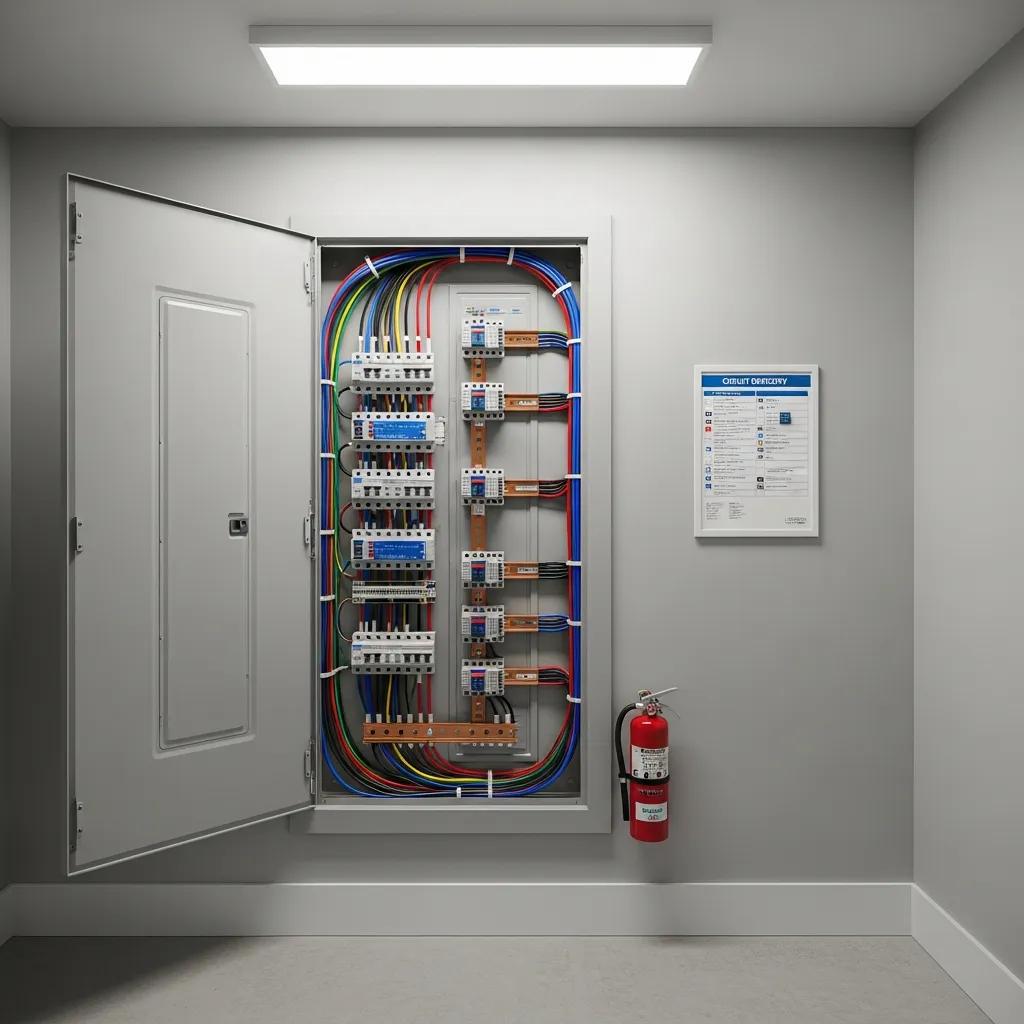
Upgrading your electrical panel enhances safety by providing a more reliable and efficient electrical system. A modern panel can handle higher loads, reducing the risk of overheating and electrical fires. This upgrade not only improves safety but also increases the overall value of your home.
To meet the increasing power demands of contemporary households, upgrading residential electric panels is often a necessary step.
Upgrading Residential Electric Panels for Modern Homes
Consequently, we must upgrade residential electric panels to meet the demands of modern homes. This often requires consumers to replace their aging (or not so old) fossil gas systems.
Electric Panels for the 21st Century, 2022
What Factors Affect the Cost to Rewire a House?
Understanding the factors that influence the cost of rewiring your home is essential for budgeting effectively. Key elements include the size of the house, the type of wiring used, the age of the existing wiring, and the complexity of the job.
Which Elements Influence Rewiring Price Estimates?
Several factors can affect rewiring price estimates, including labor costs, material costs, and regional price variations. The complexity of the existing wiring, accessibility of wiring routes, and the need for additional upgrades, such as electrical panel replacements or compliance with updated codes, can also impact the overall cost.
How Can Homeowners Budget for Electrical Upgrades?
Homeowners should estimate total costs by obtaining multiple quotes from licensed electricians. Additionally, considering financing options can help manage the financial burden of necessary electrical upgrades. Planning ahead ensures that you can address any electrical issues without significant financial strain.
How to Use a Home Electrical Safety Checklist to Detect Wiring Problems?
Regular inspections are vital for maintaining electrical safety in your home. A home electrical safety checklist can help identify potential wiring problems before they escalate into serious issues.
What Are the Key Items on a Residential Electrical Inspection?
Key items to check during a residential electrical inspection include outdated wiring (such as knob-and-tube or aluminum wiring), circuit breakers or fuse boxes, the condition of outlets and switches, grounding systems, and the presence of any visible damage or overheating signs. Regular inspections can help catch issues early, ensuring your home remains safe and functional.
Addressing specific issues like old aluminum branch circuit wiring is a critical component of comprehensive electrical safety.
Repairing Old Aluminum Branch Circuit Wiring
staff occurs at connections to old technology aluminum wire, such in the connection, particularly the aluminum wire itself, unlikely to have aluminum branch circuit wiring.
Repairing Aluminum Wiring, 1998
When Should You Consult a Licensed Electrician for Safety Concerns?
Consulting a "licensed electrician" is crucial when you notice frequent breaker trips, warm or sparking outlets, burning smells, or any signs of outdated or damaged wiring. These professionals can provide expert assessments and recommend necessary actions to ensure your home's electrical safety.
Frequently Asked Questions
What are the signs that indicate I need to upgrade my electrical panel?
Signs that you may need to upgrade your electrical panel include frequent circuit breaker trips, dimming lights when using appliances, and the presence of a fuse box instead of circuit breakers. If your home is older and has not been updated, it may not meet the electrical demands of modern appliances. Upgrading your panel can enhance safety and efficiency, ensuring your home can handle current electrical loads without risk.
How can I ensure my home remains electrically safe after rewiring?
To maintain electrical safety after rewiring, schedule regular inspections with a licensed electrician. Implement a home electrical safety checklist to monitor outlets, switches, and wiring conditions. Additionally, avoid overloading circuits and ensure that all electrical work complies with local codes. Educating your family about electrical safety practices, such as not using damaged cords or appliances, can also help prevent future issues.
What should I consider when choosing an electrician for rewiring?
When selecting an electrician for rewiring, consider their licensing, experience, and customer reviews. It's essential to choose someone who specializes in residential electrical work and has a good reputation in your community. Request multiple quotes to compare pricing and services. Additionally, ensure they are familiar with local building codes and regulations to guarantee that the work will be compliant and safe.
How long does the rewiring process typically take?
The duration of the rewiring process can vary based on several factors, including the size of your home, the complexity of the wiring, and the extent of the upgrades needed. On average, rewiring a home can take anywhere from a few days to a couple of weeks. A licensed electrician can provide a more accurate timeline after assessing your specific situation and requirements.
What are the common types of wiring used in homes today?
Common types of wiring used in modern homes include non-metallic sheathed cable (NM), also known as Romex, and armored cable (AC). NM is widely used for residential wiring due to its flexibility and ease of installation. Armored cable provides additional protection against physical damage. Understanding the types of wiring can help homeowners make informed decisions about upgrades and replacements.
Can outdated wiring affect my home insurance?
Yes, outdated wiring can significantly impact your home insurance. Insurance companies may view homes with old or faulty wiring as higher risks, potentially leading to increased premiums or even denial of coverage. Upgrading your electrical system not only enhances safety but can also improve your insurability and lower your insurance costs. Always inform your insurer about any electrical upgrades to ensure your policy reflects the current state of your home.
What should I do if I notice signs of faulty wiring in my home?
If you observe signs of faulty wiring, such as flickering lights or warm outlets, it's essential to take immediate action. First, avoid using affected outlets or appliances to prevent potential hazards. Next, consult a licensed electrician for a thorough inspection. They can diagnose the issue and recommend necessary repairs or rewiring. Prompt attention to these signs can help prevent serious electrical hazards, including fires or electrocution.
How often should I have my home's electrical system inspected?
It is advisable to have your home's electrical system inspected at least every 3 to 5 years, or more frequently if you live in an older home or notice any warning signs. Regular inspections help identify potential issues before they escalate into serious problems. Additionally, if you undertake major renovations or add new appliances, a professional assessment can ensure your electrical system can handle the increased load safely.
Can I perform electrical repairs myself, or should I hire a professional?
While some minor electrical tasks, like changing light bulbs or resetting breakers, can be done by homeowners, most electrical repairs should be handled by a licensed electrician. Attempting complex repairs without proper knowledge can lead to safety hazards, including electrical fires or shock. Hiring a professional ensures that repairs are done safely and in compliance with local codes, providing peace of mind for you and your family.
What are the benefits of upgrading to a modern electrical panel?
Upgrading to a modern electrical panel offers several benefits, including improved safety, increased capacity for modern appliances, and enhanced energy efficiency. A new panel can handle higher electrical loads, reducing the risk of overheating and potential fires. Additionally, it ensures compliance with current electrical codes, which can be crucial for insurance purposes and resale value. Overall, a modern panel contributes to a safer and more efficient home environment.
How can I tell if my home has outdated wiring?
Signs of outdated wiring include the presence of knob-and-tube or aluminum wiring, frequent circuit breaker trips, and warm or discolored outlets. If your home was built several decades ago and has not undergone electrical upgrades, it may have outdated wiring. Additionally, if you experience flickering lights or burning smells, these could indicate wiring issues. Consulting a licensed electrician can provide a definitive assessment of your wiring's condition.
What are the potential consequences of ignoring electrical issues?
Ignoring electrical issues can lead to severe consequences, including electrical fires, electrocution, and significant property damage. Faulty wiring can create dangerous conditions that may not be immediately apparent, leading to catastrophic failures over time. Additionally, unresolved electrical problems can result in costly repairs and decreased home value. Prioritizing electrical safety and addressing issues promptly is crucial for protecting your home and family.
Are there financing options available for electrical upgrades?
Yes, many homeowners can find financing options for electrical upgrades through various sources. Local utility companies may offer rebates or financing programs for energy-efficient upgrades. Additionally, personal loans, home equity lines of credit, or specialized financing through contractors can help manage the costs of necessary electrical work. It's advisable to research and compare options to find the best solution that fits your budget and needs.
